LangGraph agent workflows, hands-on
Agentic AI
Learn to build real-world AI agents, multi-agent workflows, and autonomous apps with LangGraph and LangChain
Documentation
Agentic AI Architectures
This repository demonstrates multiple Agentic AI patterns and architectures built on top of foundational tools like LangChain, LangGraph, and OpenAI. Specifically, it includes:
- ReAct Agent: Leveraging reasoning and action for dynamic tool use with LangChain.
- PromptChain: Chaining prompts and intermediate steps for complex workflows.
- Agentic RAG: Retrieval-Augmented Generation with agentic control flows.
- Corrective Agentic RAG: Enhanced RAG with document grading and corrective feedback loops.
- Adaptive RAG: An adaptive retrieval pipeline that rewrites queries and invokes web search when needed.
- LangGraph Workflows: Visualizing agent flows and integrating vector stores, web search, and custom tools.
Architecture Overview
Agentic AI combines traditional language model prompting with autonomous decision-making and tool usage. This repo explores several patterns:
- ReAct Agent: Integrates chain-of-thought reasoning with action calls to tools (e.g., vectorstore, web search).
- PromptChain: Splits complex tasks into a sequence of specialized prompts with structured intermediate outputs.
- Agentic RAG: Uses a vector retriever to fetch documents, then an agent orchestrates reasoning to form answers.
- Corrective Agentic RAG: Adds a grading step where retrieved documents are evaluated; if none are relevant, a corrective query rewrite triggers web search.
- Adaptive RAG: Extends corrective RAG by dynamically choosing retrieval or web search based on a document grading node; supports fallbacks and query transforms.
- LangGraph: Provides visual representations of these flows, enabling rapid inspection and debugging of agent decision branches.
Prerequisites
- Python 3.10+
- OpenAI API Key
- LangChain
- LangGraph (for graph visualizations)
- Other optional dependencies:
faiss-cpuorweaviate-client,requestsfor web search
Installation
# Clone this repo
git clone https://github.com/Hitesh-s0lanki/GenAI-AgentAI.git
cd GenAI-AgentAI

# Create a virtual environment
python -m venv venv
source venv/bin/activate  # or `venv\Scripts\activate` on Windows

# Install core dependencies
pip install -r requirements.txt
Set your OpenAI key:
export OPENAI_API_KEY="your_api_key_here"
Agent Implementations
ReAct Agent
- Combines reasoning (Thoughts) and actions (e.g., vector store retrieval, API calls).
- Implemented via LangChain's
AgentExecutorwithTooldefinitions.
from langchain.agents import initialize_agent, Tool
from langchain.llms import OpenAI

tools = [
    Tool(name="search", func=web_search, description="Use for online queries."),
    Tool(name="vector_retrieval", func=vector_retrieve, description="Fetch docs.")
]

agent = initialize_agent(tools, OpenAI(temperature=0), agent="react")
response = agent.run("What is the latest news on Agentic AI?")
PromptChain
- Orchestrates a sequence of prompts with structured outputs.
- Useful for multi-step workflows like summarization followed by QA.
from langchain.chains import LLMChain, SequentialChain
from langchain.prompts import PromptTemplate

summary_prompt = PromptTemplate(input_variables=["doc"], template="Summarize: {doc}")
qa_prompt = PromptTemplate(input_variables=["summary","question"], template="Based on the summary, answer: {question}")

chain = SequentialChain(chains=[
    LLMChain(llm=OpenAI(), prompt=summary_prompt),
    LLMChain(llm=OpenAI(), prompt=qa_prompt)
], input_variables=["doc","question"], output_variables=["answer"])

result = chain.run({"doc": text, "question": "..."})
Agentic RAG
- Retrieval-augmented generation pipeline wrapped by an agent.
- Flow:
__start__→agent→ vectorretrieve→generate→__end__.
Corrective Agentic RAG
- Adds a
grade_documentsstep after retrieval. - If no documents are relevant, uses
transform_queryto rewrite and triggersweb_search. - Otherwise proceeds to
generate.
Adaptive RAG
- Combines both vector retrieval and web search in a unified graph.
- Dynamically branches based on document relevance and supported content types.
LangGraph Visualizations
This repo includes .lg.json graph definitions for each agent, viewable in the LangGraph Playground:
graphs/agentic_rag.lg.jsongraphs/corrective_rag.lg.jsongraphs/adaptive_rag.lg.json
Open these files to explore interactive flowcharts of decision paths and tool integrations.
Usage Examples
-
Agentic RAG Demo
python examples/agentic_rag_demo.py -
Corrective Agentic RAG
python examples/corrective_rag_demo.py -
Adaptive RAG with Fallback
python examples/adaptive_rag_demo.py
Results will showcase how each architecture handles missing context, irrelevant documents, and dynamic query rewrites.
Contributing
Contributions are welcome! Please open an issue or submit a pull request with:
- New agent patterns or improvements.
- Additional tool integrations (e.g., search engines, custom APIs).
- Bug fixes and performance optimizations.
Keep exploring
Related work
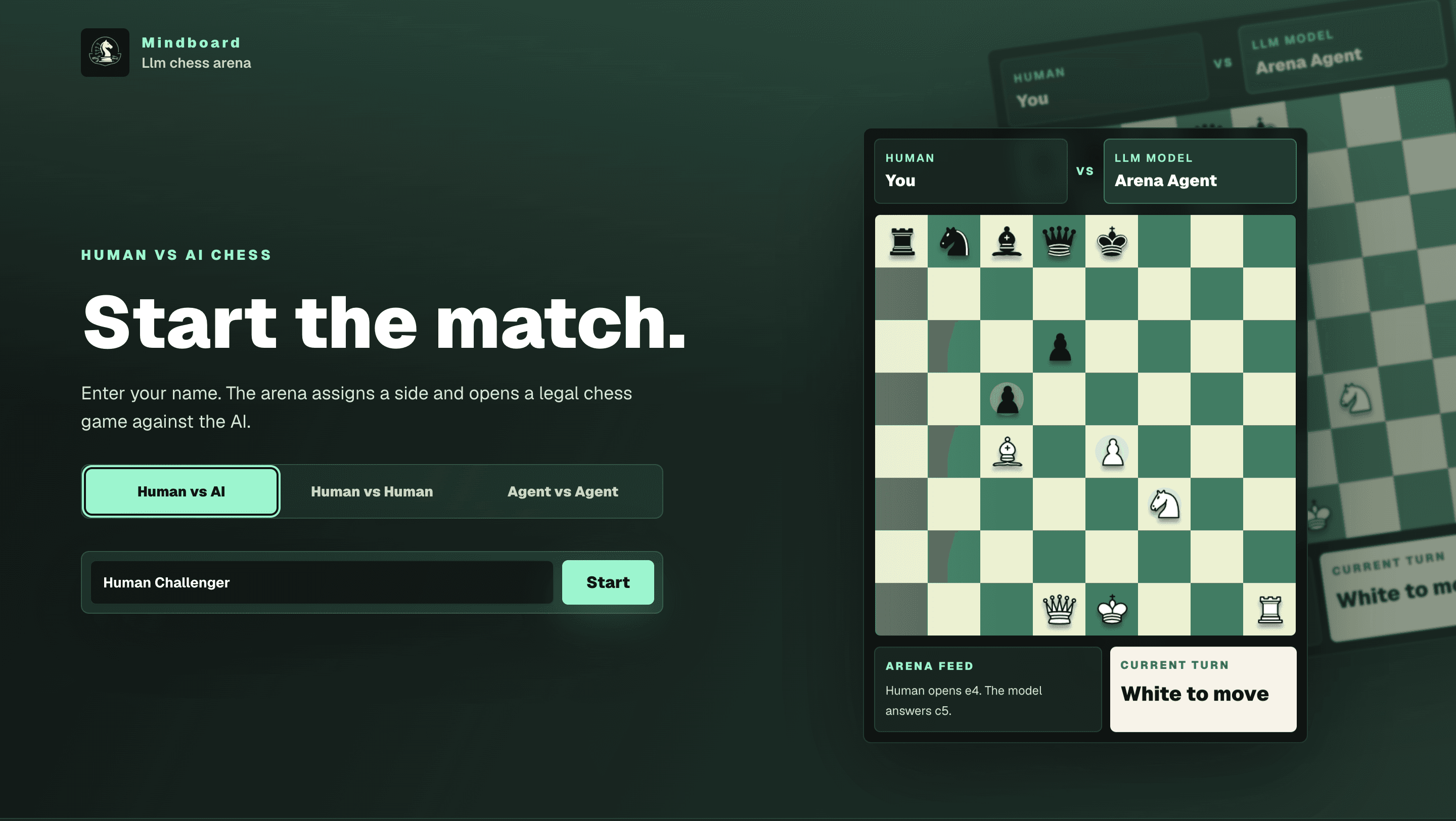
MindBoard Arena
Stateful chess arena where language-model agents reason through the board instead of running engine lines — Human vs AI, Human vs Human, and Agent vs Agent modes with persisted games, move history, and match logs.
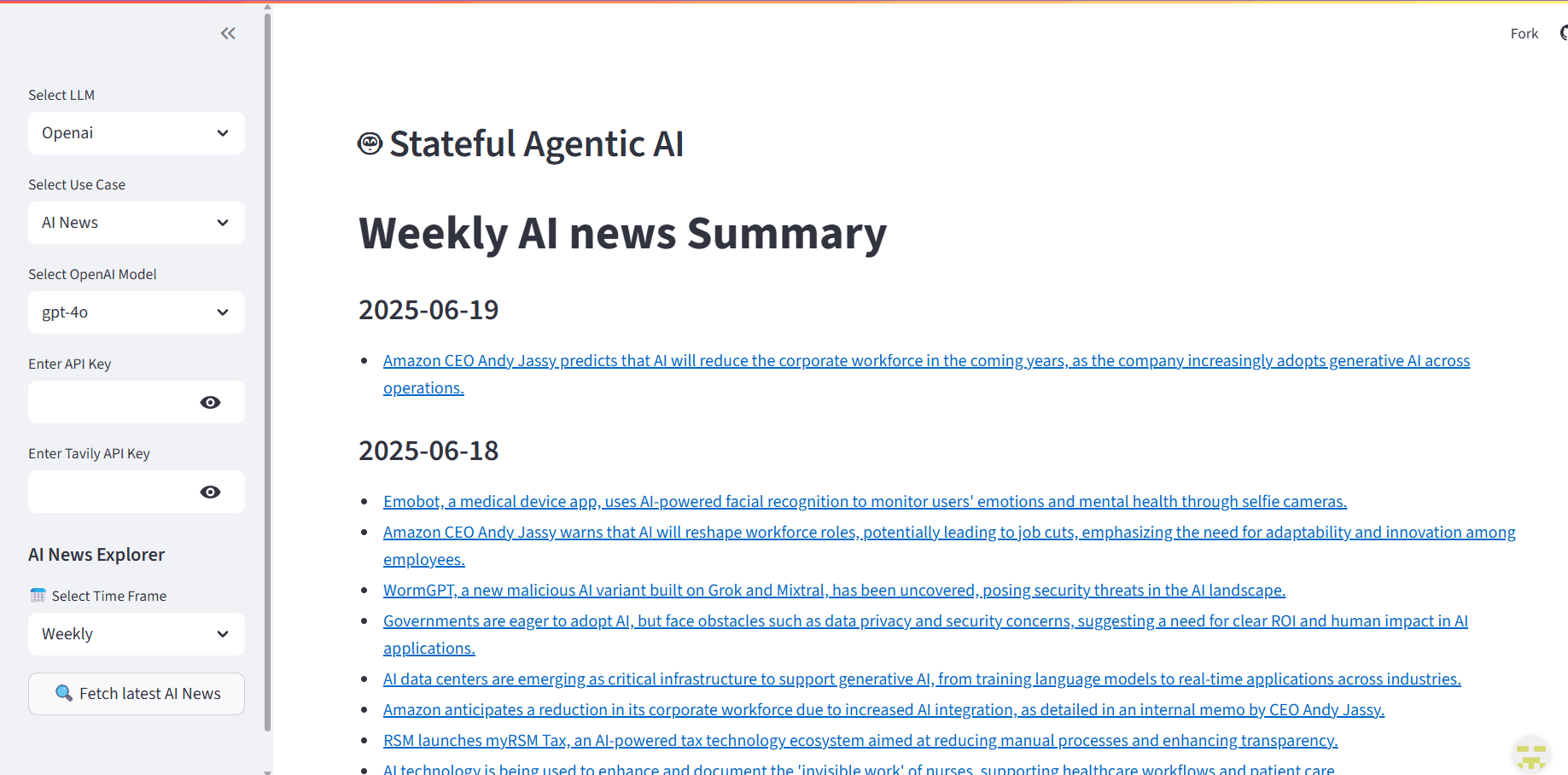
Agent AI Use-cases Example
A Streamlit-powered application showcasing multiple agentic AI use cases using LangGraph, Tavily, OpenAI, Groq, and LangChain.

GadgetOS
AI-powered web operating system with a macOS-inspired desktop — manage files by meaning, run natural language terminal commands via GPT-4.1, and build entirely in the browser.