OTT streaming platform for creators
Streamflow
OTT streaming platform experience with modern media delivery, discovery UI, and creator-first content workflows.
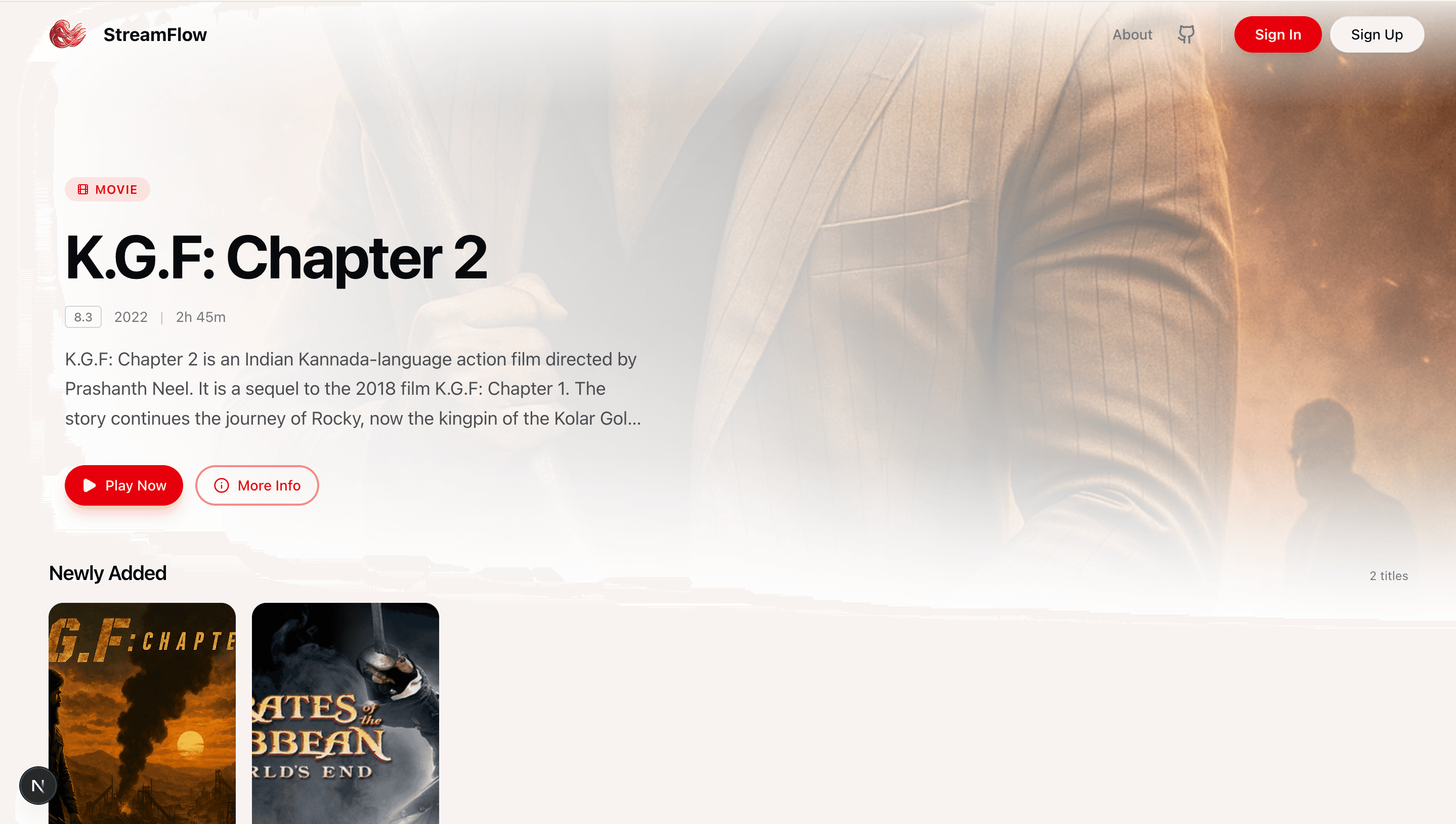
Documentation
Streamflow
Building an OTT platform from curiosity, not just code.
Streamflow is a full-stack OTT streaming platform built to understand how modern video platforms work — adaptive streaming, sprite sheet previews, cloud-based media handling, and secure delivery.
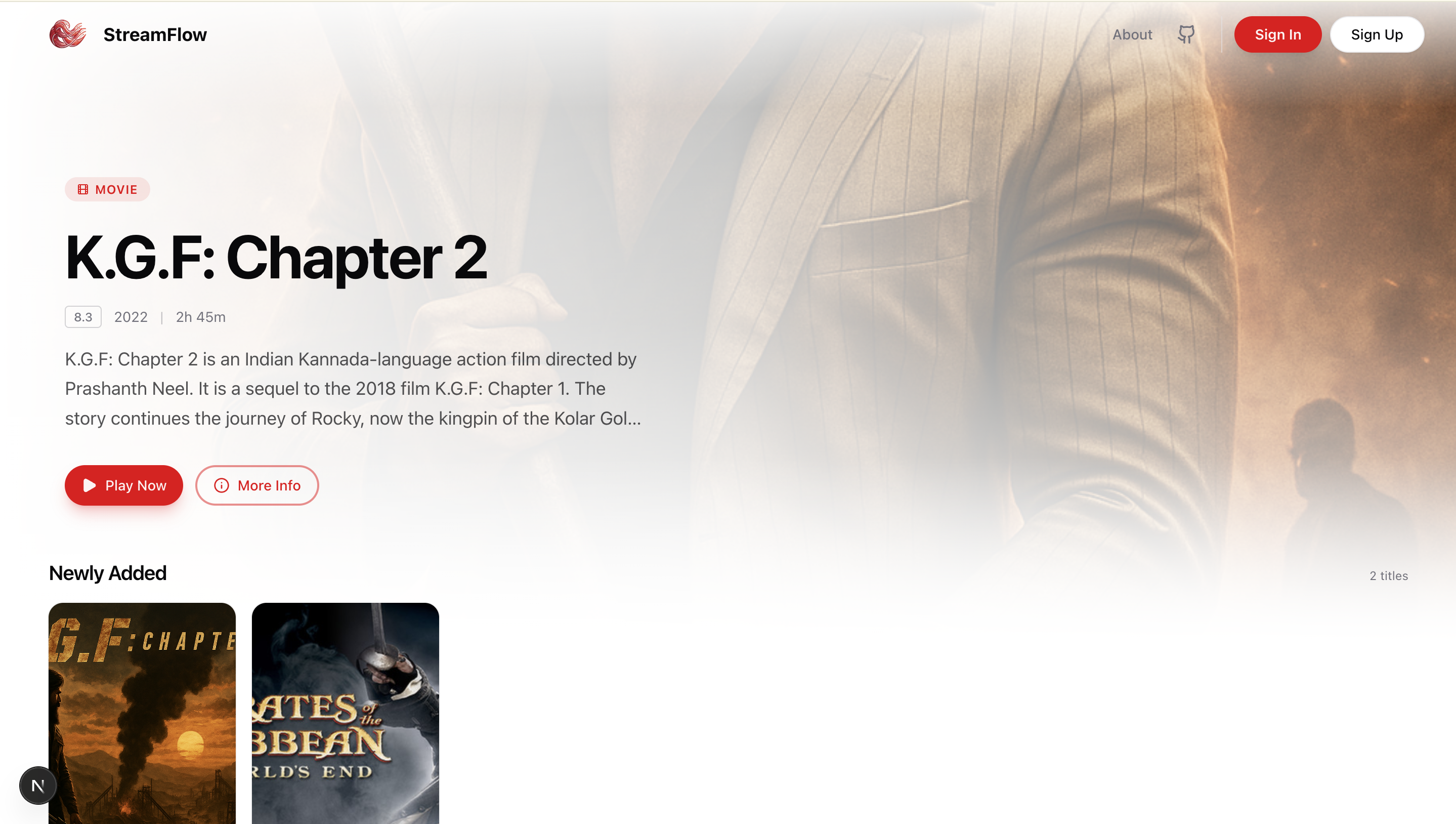
It started with a simple question…
While scrolling Instagram one day, I saw a short reel explaining how sprite sheets work in OTT platforms. It showed how Netflix-style video previews appear instantly when you hover on the timeline. That one concept made me pause.
Then I asked myself:
- How does that actually work?
- How does the video automatically adjust quality?
- How do platforms stream smoothly even on slow internet?
- What happens behind the scenes after you upload a video?
Instead of just searching for answers… I built Streamflow.
What is Streamflow?
Streamflow is a full-stack OTT streaming platform built to deeply understand how modern video platforms work. It's not just about playing videos. It's about:
- Performance optimization
- Adaptive streaming
- Smart preview thumbnails (Sprite Sheets)
- Cloud-based media handling
- Secure content delivery
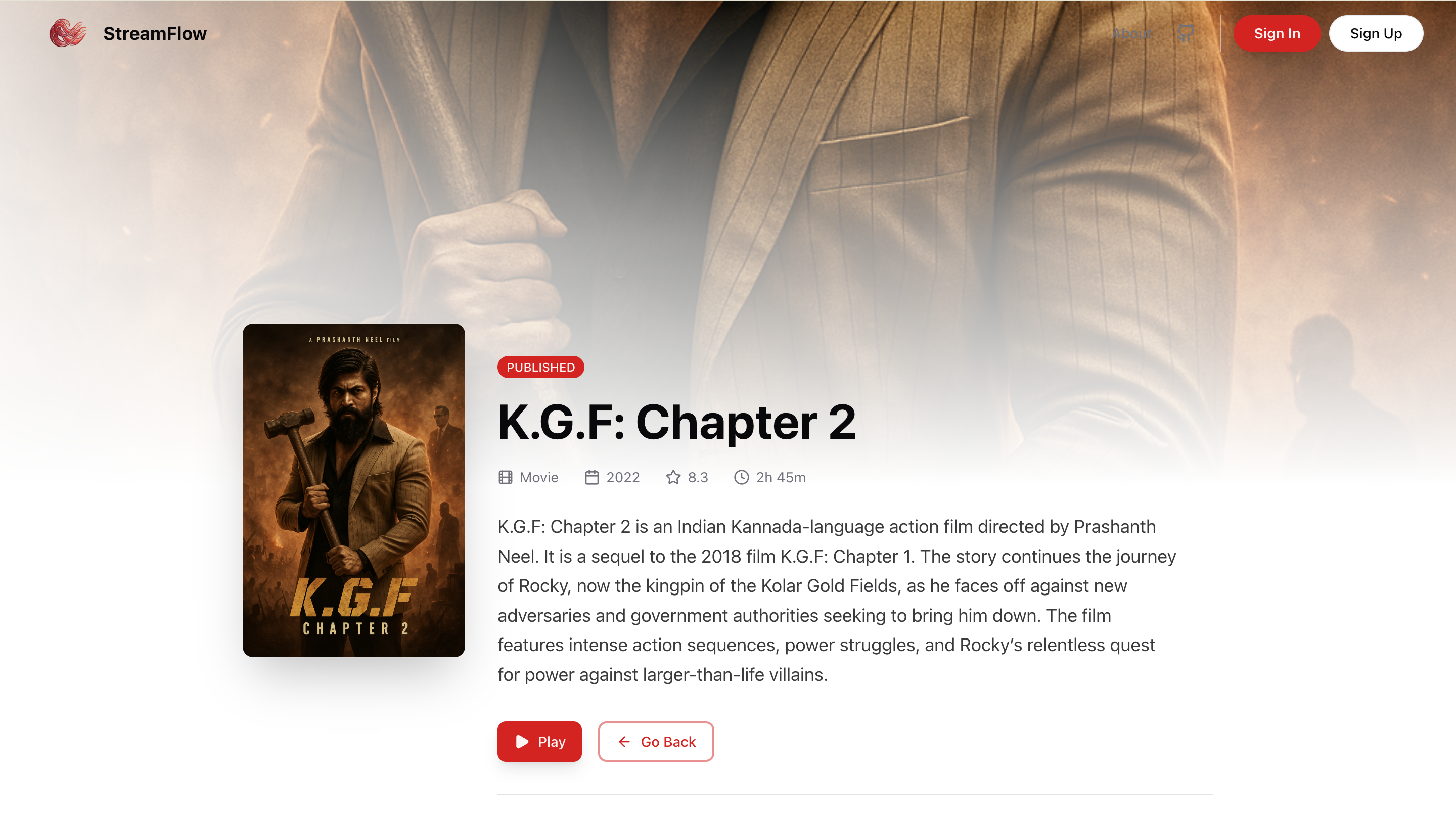
Core features
1. Adaptive streaming (HLS)
Streamflow uses HLS (HTTP Live Streaming) with automatic quality adjustment. When you watch a video: if your internet is fast you get HD; if it slows down it switches to lower quality; when it improves, quality goes back up. All without you noticing.
- No buffering interruptions
- Optimized bandwidth usage
- Better mobile experience
- Real-world OTT behavior
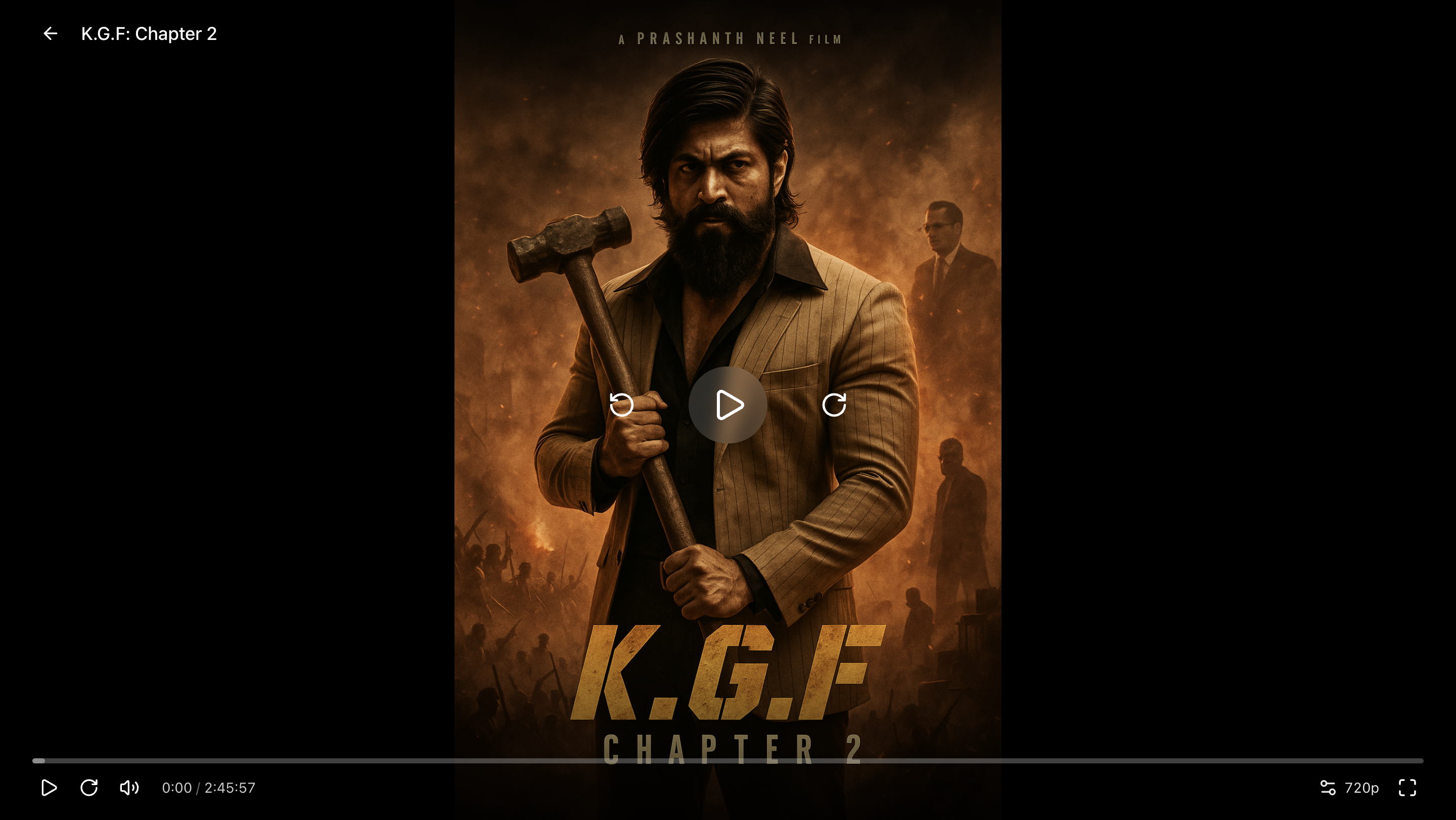
2. Sprite sheets (the feature that started it all)
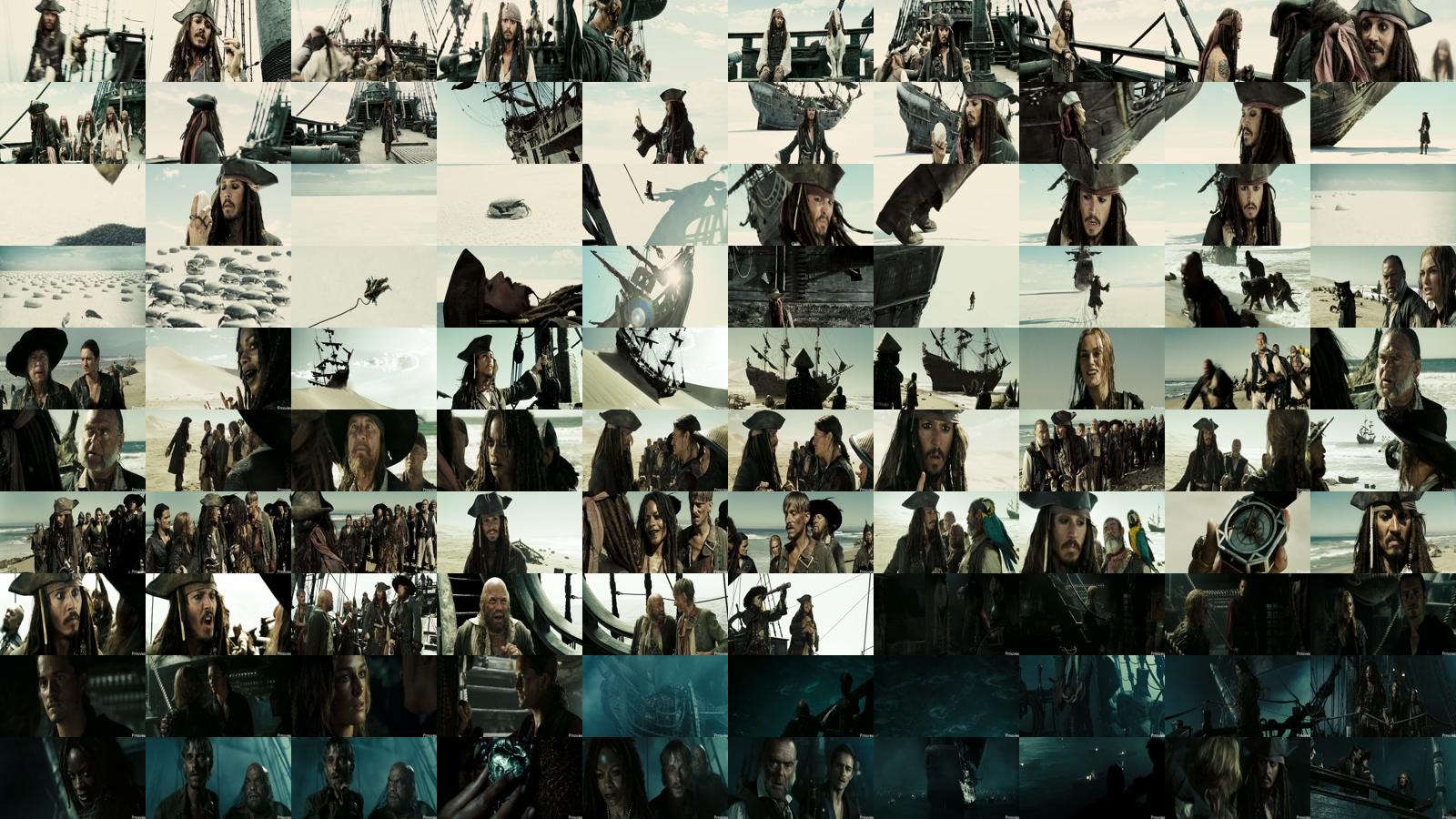
When you hover over a video timeline and see preview thumbnails instantly — that's sprite sheet technology. Instead of loading many small images, one large image is generated with multiple frames in a grid, and the player shows the correct frame instantly.
- Faster preview loading
- Fewer server requests
- Reduced bandwidth usage
- Better user experience
Behind the scenes
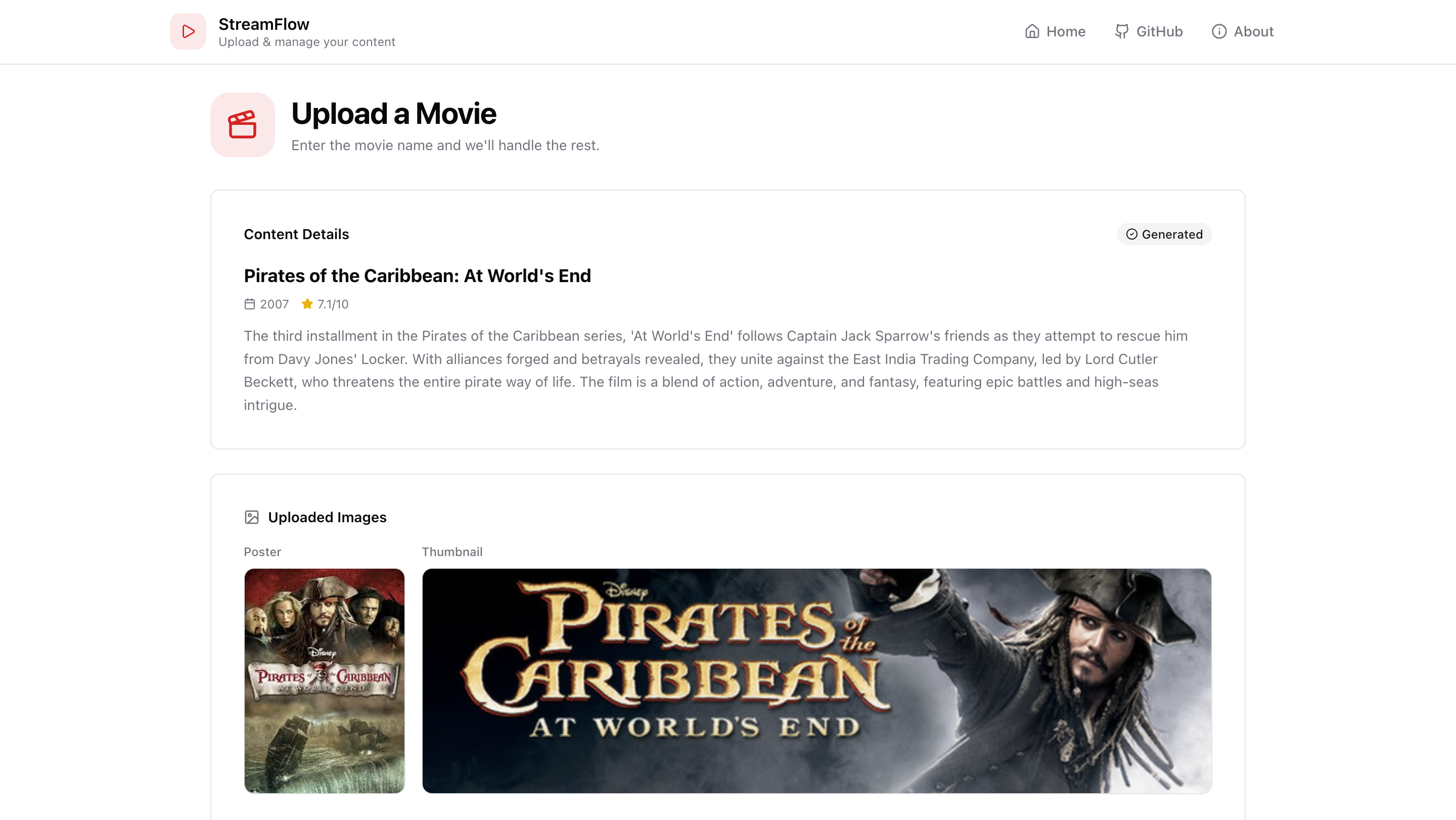
- Video upload — Large videos are uploaded efficiently (chunked & optimized).
- Processing pipeline — Once uploaded: multiple resolutions are generated (for adaptive streaming), HLS playlists are created, sprite sheets are generated, and metadata is stored.
- Smart playback — When a user presses play: HLS automatically selects the best quality, sprite sheet previews activate, and streaming adjusts in real time.
Vision for Streamflow
This project is evolving toward:
- DRM-based content protection
- AI-powered recommendations
- Video analytics tracking
- Cloud-native microservices
- Production-level scalability
It's not just a side project. It's an engineering journey.
For non-technical readers
Imagine watching Netflix. Now imagine opening Netflix's engine room — seeing how videos change quality automatically, load instantly, show preview thumbnails, avoid buffering, and scale to millions of users. That's what Streamflow explores.
Tech stack
| Layer | Stack |
|---|---|
| Frontend | Next.js 16, React 19, tRPC, TanStack Query, HLS.js, Framer Motion, Tailwind CSS, Clerk (auth) |
| Streaming | HLS (HTTP Live Streaming), adaptive bitrate |
| Media | Sprite sheets for timeline previews, multi-resolution encoding |
Getting started
Prerequisites
- Node.js 20+
- npm, yarn, pnpm, or bun
Run the frontend
cd streamflow-fe
npm install
npm run dev
Open http://localhost:3001 in your browser.
Project structure
streamflow/
├── streamflow-fe/     # Next.js frontend (catalog, watch, upload, about)
├── images/            # Screenshots and assets for docs
└── Readme.md
Learn more
- In-app About page — Open the app and visit
/aboutfor the full story, sprite sheet demo, and inspiration. - YouTube — Sprite sheets & OTT concepts — the video that inspired this project.
The best way to understand technology is to build it.
One small Instagram reel led to: Curiosity → Research → Architecture → Implementation → Optimization. Streamflow exists because of that belief.
Built with curiosity. Engineered for depth. Designed to explore the future of streaming.
Keep exploring
Related work
Rumiva
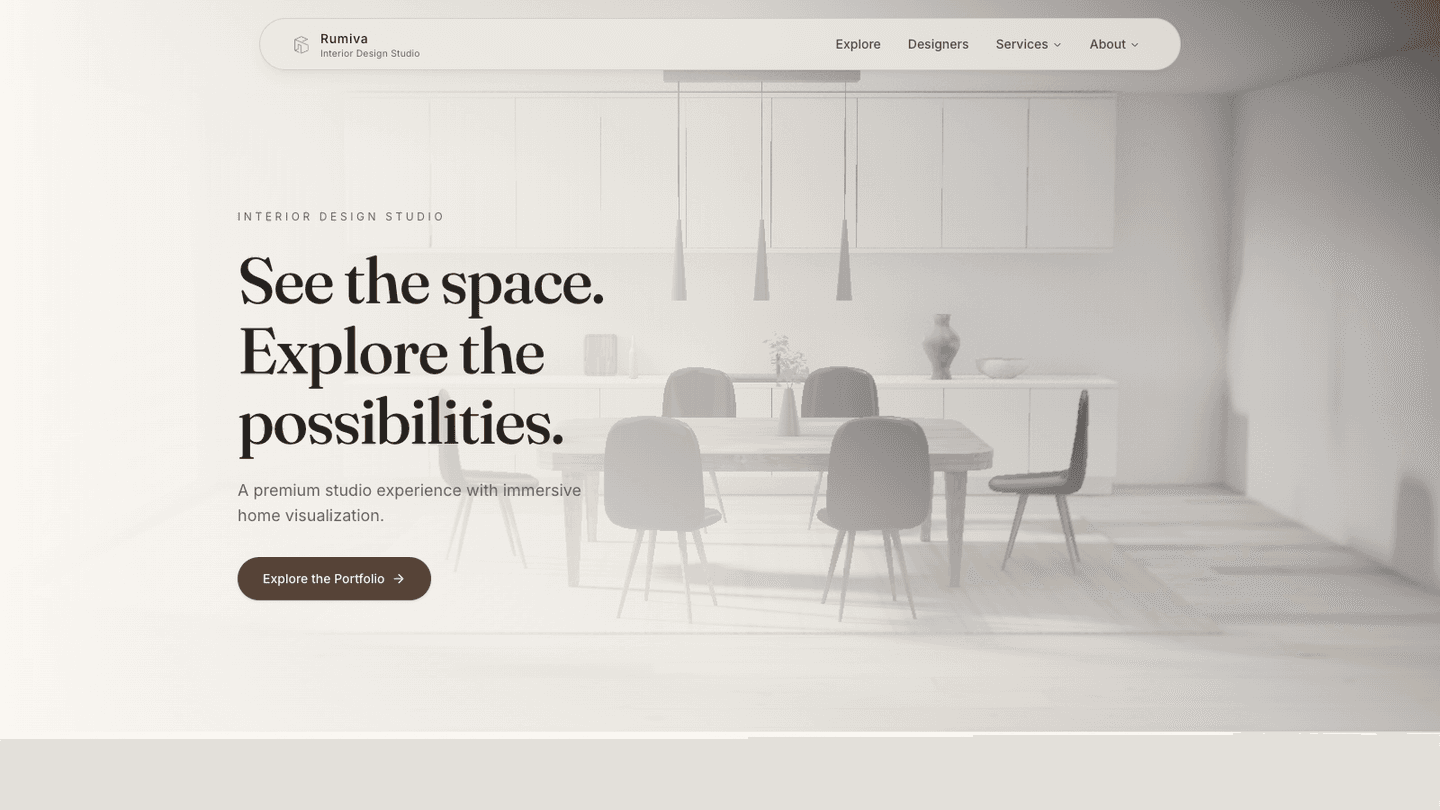
Interior design studio experience built for a 3D web hackathon — a React Three Fiber room you explore straight from the hero, plus designer portfolios, project galleries, and service pages tied together with GSAP motion and smooth scrolling.
MindBoard Arena
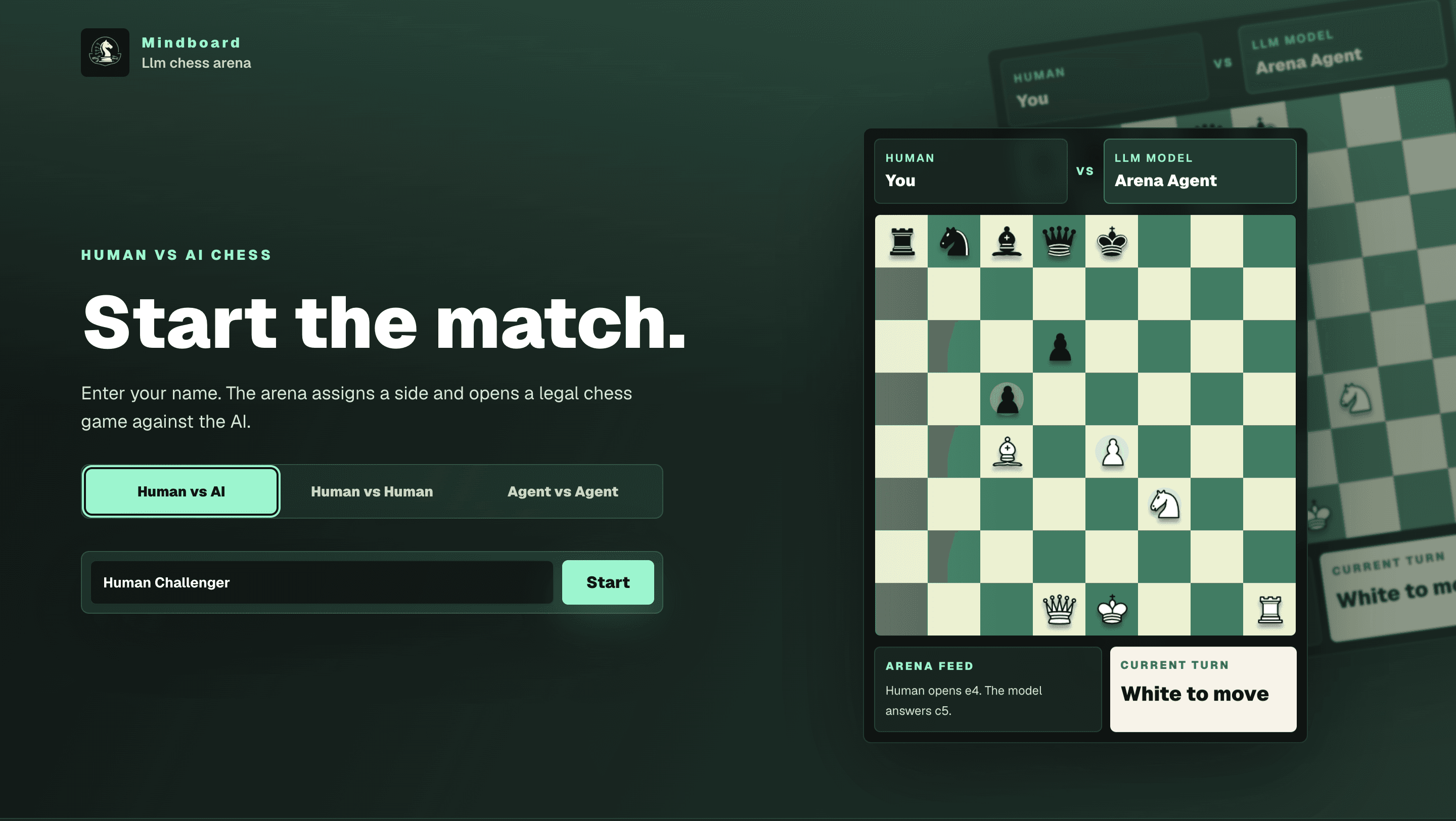
Stateful chess arena where language-model agents reason through the board instead of running engine lines — Human vs AI, Human vs Human, and Agent vs Agent modes with persisted games, move history, and match logs.
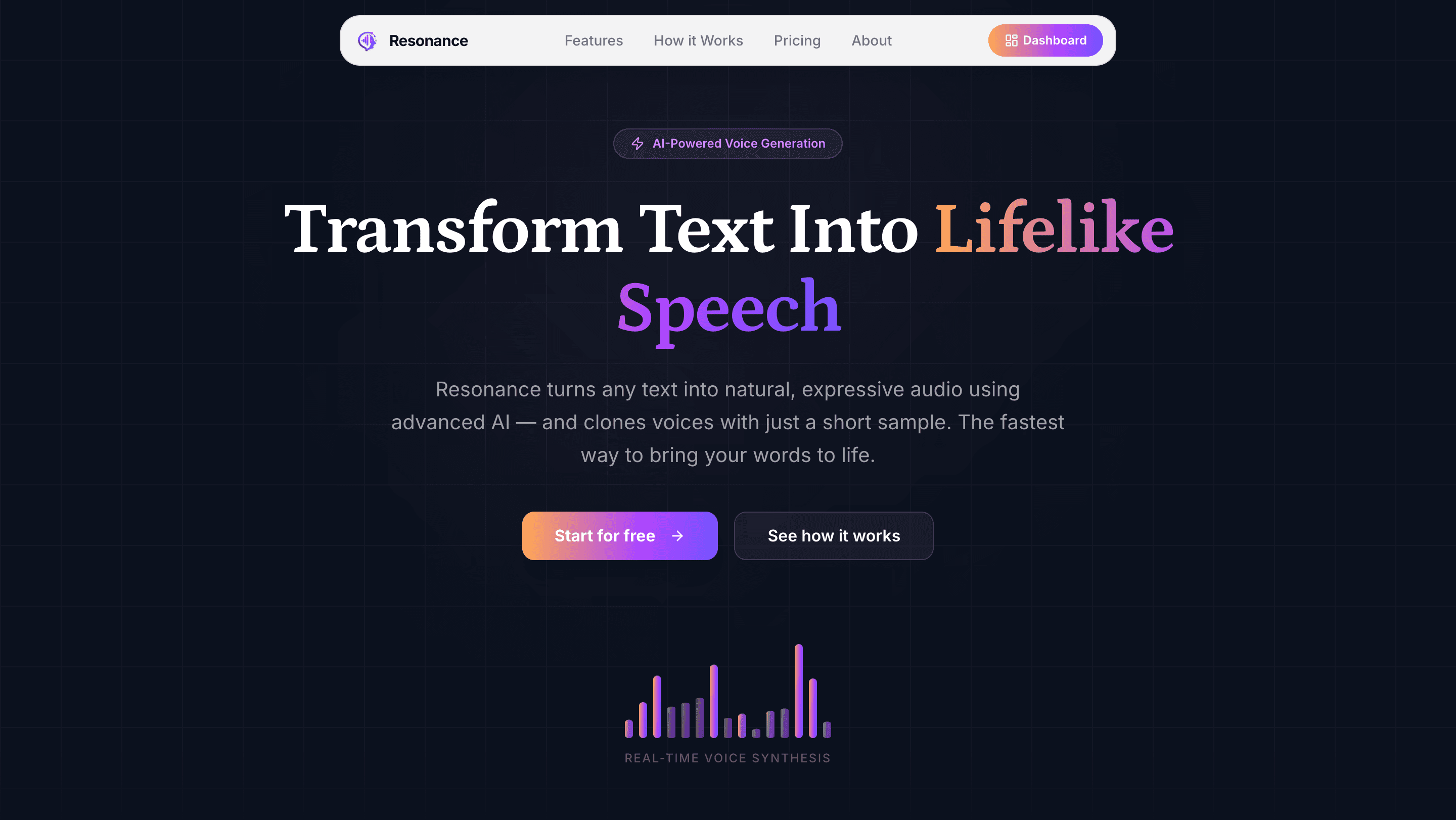
Resonance
AI-powered text-to-speech and voice cloning platform for organisations, with custom voice uploads, browser recording, usage-based billing, and a managed voice library.